Custom Metaverse Solutions have the ability to reproduce branded spaces, operational
facilities or specialised customer journeys. Interactions, layouts and content can be based on
business requirements and not some template.
AR has the ability to insert contextual instructions or 3D products in the environment of a
user. VR is able to recreate locations or scenarios that might be challenging to access in real
life. The businesses are free to choose either or integrate them where necessary.
Enterprise Metaverse Solutions have the ability to unite teams around equipment models,
facility plans or training scenarios. Experiences can help to familiarise employees with
workspaces and provide remote stakeholders with a common reference.
Interactive 3D spaces help users examine objects from different viewpoints and understand
their size, positioning and surrounding layout. The virtual-space application of XRINK can
be applied to the facility walkthrough, architectural preview, and the visualisation of a
complex product in which flat images offer limited information.
Virtual showrooms give customers the freedom to explore products independently or follow
guided demonstrations to understand their features. Customers are able to view design
specifications, see the possible options and negotiate features and ask to be quoted.
Immersive solutions can be used in manufacturing, real estate, retail, healthcare and other
sectors by businesses that are exploring Metaverse Technologies Services in India.
Virtual environments allow manufacturers to simulate equipment operation, safety
procedures and maintenance activities.
Developers can showcase properties by taking them on a walk through where potential
buyers can get an idea of the proportion of rooms, finishes and circulation prior to the
construction process being finished.
Retail businesses can build engaging digital shopping spaces where customers browse
collections and interact with products virtually. Customers can compare designs, explore
product options and see how selected items would look in their surroundings before buying.
Simulated scenarios can be used in medical institutions to familiarise the procedures, learn
anatomy and plan a facility. Healthcare applications must undergo appropriate evaluation and
involve qualified medical professionals to ensure safe and reliable use.
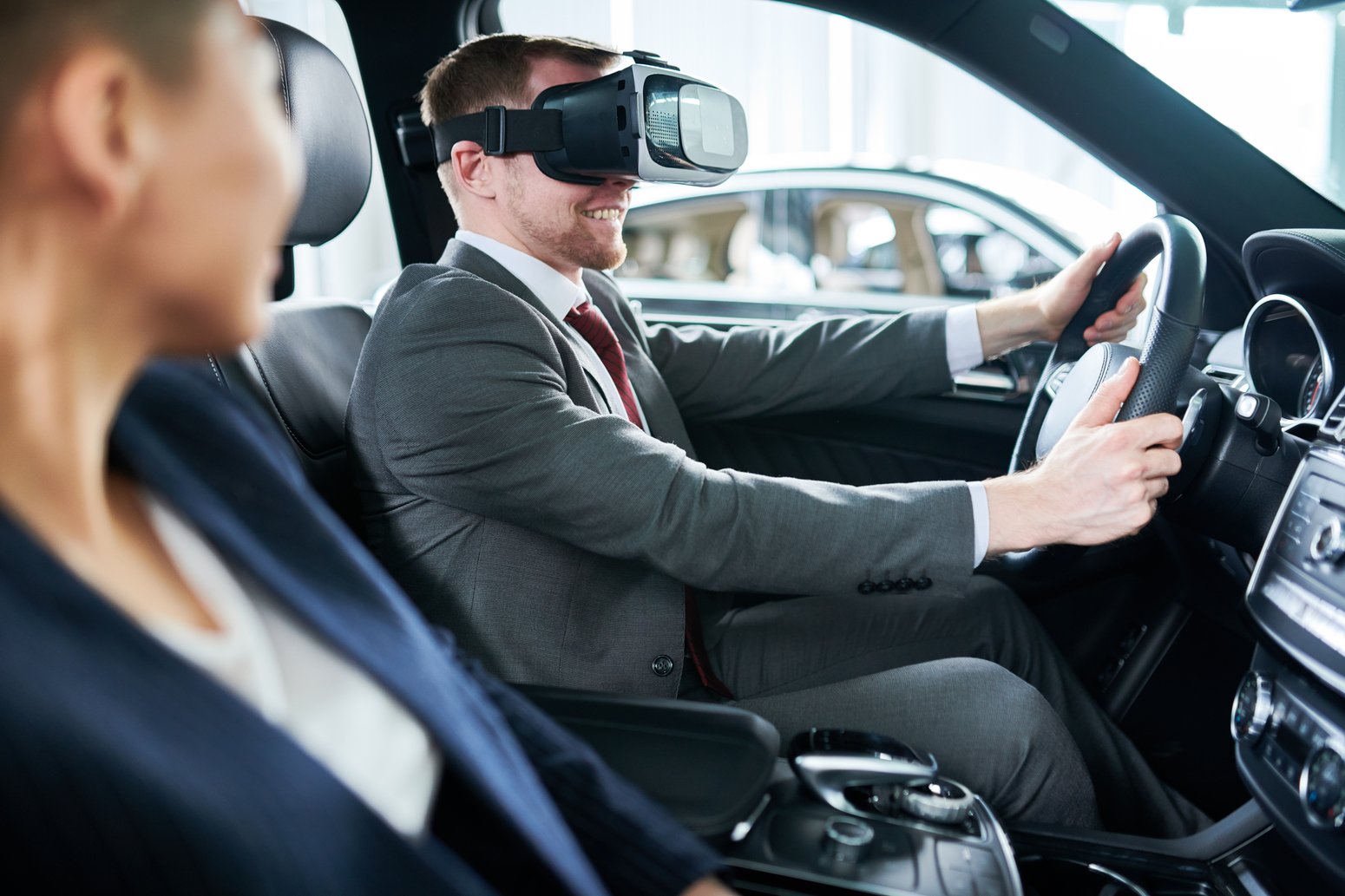
Carmakers can showcase the interior of the vehicles, compare design possibilities and
simulate the process of assembly or maintenance with the workers and technical groups.
Virtual labs, collaborative learning areas and interactive classes provide students with the
chance to investigate the setting or practice ideas that might be challenging to recreate in
classrooms.
Hotel walkthroughs and destination previews enable travellers to evaluate facilities prior to
making a reservation.
The platform of XRINK combines the elements of immersive 3D visualisation, interactive
virtual environment and real-time interaction with the user. Supported experiences can be
made more natural through motion and hand tracking as participants can react to the
experience by moving instead of using traditional controls.
Multiuser collaboration assists participants in finding things jointly, and AI and integrating
with the cloud can assist in adaptive content and connected experiences. Businesses can
showcase real locations through interactive 360-degree views without investing in a fully
recreated virtual environment. Organisations can personalise virtual spaces with their
branding, interactive elements and navigation options to match specific business needs.
Metaverse Technologies Services assist business in conveying technical information using
interactive demonstrations so that the buyers can learn product features, configurations and
uses and thus decide on purchasing products. To employees, repeatable simulations provide
formal means to train on tasks and get ready to face unknown circumstances.
Remote collaboration will help to minimize the amount of initial visits, whereas shared visual
references can enhance communication between technical and non-technical stakeholders.
Businesses will also be able to provide a uniform product education in various locations.
Findings rely on adoption, usability and programme design; improvements in savings or
performance must not be presumed but rather compared to the current workflows.
Metaverse Technologies Services in India assist business in conveying technical information
using interactive demonstrations so that the buyers can learn product features, configurations
and uses and thus decide on purchasing products.