Mixed Reality Solutions Spatial digital objects and awareness of physical settings. In addition
to XRINK's AR/VR blending features, these can be thought of for design reviews or
contextual interaction (where suitable to the device and project).
Teams can do shape, scale, placement and configuration checking by using detailed 3D
models. Interactive controls can be used to show buyers and stakeholders the components of
a product, or to present design alternatives.
Customers can browse virtual showrooms, explore spaces through 360-degree tours and
examine products without visiting a physical location. XRINK's 360-degree experiences give
users a realistic view of actual locations, helping businesses showcase spaces without
developing an entirely new virtual environment.
The shared walkthroughs, presentation and review are supported by custom virtual spaces
and multiplayer interaction. Enterprise teams can collaborate on the same 3D model from
various locations, and features in the applications can be tailored to the collaboration
requirements and devices.
With AR-based maintenance support, technicians can view relevant instructions directly
alongside the equipment they are working on. Virtual equipment models can be used for plant
planning and process explanations, and VR simulations can be used to rehearse safety
responses.
Immersive property tours allow buyers to understand layouts prior to making a visit.
Architects can show interiors that they have proposed, compare finishes and explain how
people will move through a building.
Virtual Product Visualization can visualize product variations and information that
photographs may not capture. Interactive showrooms allow customers to compare options
prior to engaging in a conversation about a purchase.
Medical students and healthcare professionals can use VR environments to explore human
anatomy, understand procedures and practise simulated scenarios. Before using in clinical
training applications, expert supervision and validation is required.
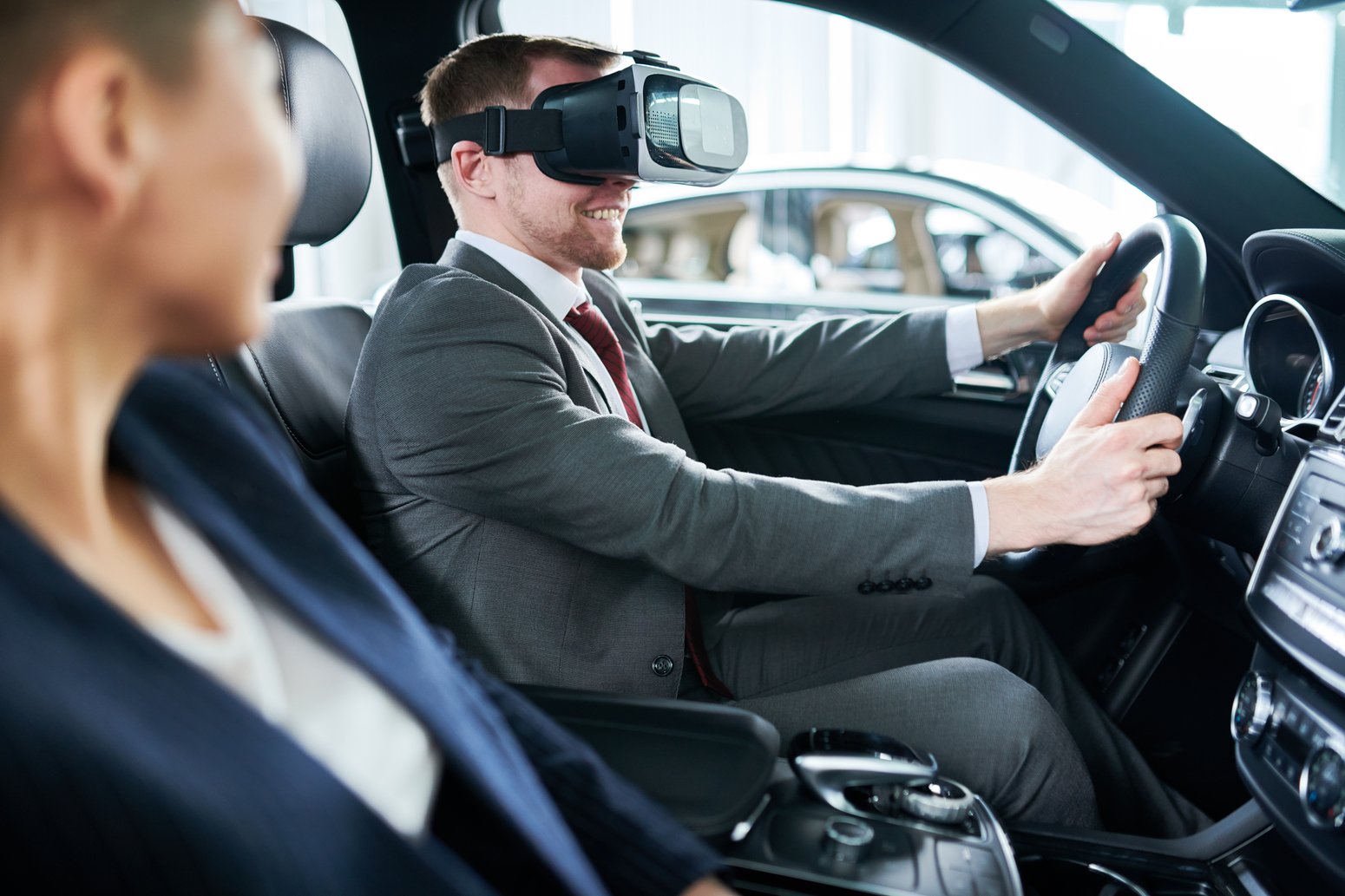
Car walkthroughs are immersive, letting buyers explore the interior, and manufacturing teams
can simulate car assembly and receive AR instructions for maintenance.
They can explore virtual field sites, interact with 3D learning objects or work on skills in
repeatable exercises. Teachers can provide opportunities that may be hard to set up in the
classroom.
Interactive destination previews and 360-degree hotel tours enable potential guests to assess
facilities and accommodation and surroundings prior to planning a trip.
Supported experiences can be responsive to natural movement with motion and hand
tracking; haptic feedback can provide physical sensations when compatible hardware is
available.
AR/VR integration involves linking digital models with either real-world views or simulated
spaces. Interactive 360-degree content allows viewers to view content from all angles and
multiuser experiences enable shared sessions. As per the information published on the
XRINK platform, other capabilities are AI integration, cloud integration, cross-platform
delivery and customisable environments.
Simulations provide for employees to practice the steps repeatedly and to discuss the
decisions following simulation. Distributed specialists can be brought to the same visual
reference through remote review and virtual demonstrations can also decrease some
equipment transport or initial travel. Prior to investing in Immersive Technologies Services,
businesses should set measurable goals, whether it be comprehended tasks or demonstration
completion.
For companies looking for Immersive Technologies Services in India, the need is to find a
partner who can help navigate the challenges in their operations and turn them into tailored
AR/VR experiences. XRINK is an Indian company that offers immersive technology
solutions, including interactive 3D environments, cloud-based applications, multiplayer
experiences, and AI integration.
These capabilities apply to businesses considering training simulations, product
demonstrations, remote collaboration or virtual customer experiences in markets. Discussions
about the project should include users, hardware, content, compatibility and deployment.